
The Empty Ledger: When Cricket's Data Pipeline Falls Silent
মূল উত্তর: খালি ইনপুটের উপর দাঁড়ানো আত্মবিশ্বাসী বিশ্লেষণই ক্রিকেট ডেটা যাচাইয়ের সবচেয়ে বড় ঝুঁকি। Stage-1-এ কোনো তথ্যবিন্দু না এলে সঠিক প্রতিক্রিয়া কল্পনা নয়, বরং একটি কাঠামোবদ্ধ গ্যাপ রিপোর্ট, যা স্পষ্টভাবে জানায় কোন যাচাই সম্ভব নয়। মূল তথ্য: - ২০১৭ কনফেডারেশনস কাপ ছিল প্রথম এন্ড-টু-এন্ড ভিএআর টুর্নামেন্ট; নকআউটে ব্যবহৃত হয় এবিএ শুটআউট। - ২০১৮ রাশিয়া বিশ্বকাপে ৬৪ ম্যাচে রেকর্ড ২৯টি পেনাল্টি; প্রথম ভিএআর-প্রদত্ত পেনাল্টি নেন আন্তোয়ান গ্রিজমান। - ২০২০ প্রকল্প পুনরারম্ভে ২৮৮ ম্যাচের ডেটায় ঘরের দলের জয়ের হার প্রায় ৫ শতাংশ পয়েন্ট কমে। - বিশ্লেষণ-কাঠামোর আটটি স্তম্ভ: Format, খেলোয়াড়, দল, বাণিজ্য, শাসন, ঝুঁকি, আখ্যান, শিল্প-প্রবাহ। - তথ্যবিন্দু শূন্য হলে কোনো স্তম্ভ যাচাইযোগ্য নয়; শুধু অপর্যাপ্ত তথ্যের ঘোষণাই সঠিক। সূত্র উল্লেখ: মূল সূত্র: Stage-2 Deep Professional Analysis — Cricket Domain (CricSultan পাইপলাইন), ১৩ আগস্ট ২০২৬ | Cross-checked: cricsultan.com সম্পর্কিত প্রশ্নোত্তর: প্রশ্ন: Stage-1 খালি থাকলে Stage-2 কী করবে? উত্তর: কাঠামোবদ্ধ গ্যাপ রিপোর্ট দেবে, অনুমান নয়। প্রশ্ন: কেন খালি ইনপুট বিপজ্জনক? উত্তর: কারণ কল্পনা দিয়ে ভরা রায় সূত্র টানে না এবং ভুল সিদ্ধান্ত ছড়ায়। প্রশ্ন: ক্রিকেটে তথ্যবিন্দুর Role কী? উত্তর: প্রতিটি বিশ্লেষণের ভিত্তি; cricsultan.com Player Depth Index-এর মতো সূচকও তথ্যবিন্দুর উপর দাঁড়ায়।
The screen flashed "Checking…". Sixty thousand people in the stadium held their breath at once. The third umpire listened into his headset; the ball-tracking grid on the big screen had not yet lit up. That wait over a run-out is the most honest moment in the game, because no one knows what will happen—and no one is pretending to.
Last week the same wait returned to my desk in a different disguise. An analysis file arrived with every field empty. No title, no source, no information points, no named entity—only the same line everywhere: "insufficient information, cannot assess." At first I thought it was an error. Then I understood: this file was the most honest document I had received.

Eight years ago I had such an evening too. In 2026, at a London sports desk, five years into a legal-commentary beat, my editor told me to chase transfer gossip. I spent the summer on the Confederations Cup in Russia instead—the first tournament run end-to-end on VAR, and the first to use the ABBA shootout in its knockout rounds, where Chile beat Portugal 3-0 on penalties. I mapped every review trigger onto the IFAB flow chart and published a 4,000-word protocol breakdown. Sixty thousand reads, and three furious emails from working referees—I framed them.
That evening changed me. I stopped writing match verdicts and started writing annotated law explainers with clause citations and flow charts. "Clear and obvious error" became my signature phrase, and I began a private decision ledger: incident, law, threshold, verdict. I carried it to Russia 2026. Sixty-four matches, a tournament-record 29 penalties, and in the mixed zone I watched Antoine Griezmann take the first VAR-awarded World Cup penalty in France's 2-1 win. FIFA's tally of roughly 20 corrected decisions became my organising framework. Forty-one pieces in 33 days, and the Laws read twice. In 2026, when Project Restart put football back and my freelance work collapsed, I coded 288 matches and found home win rates down by roughly five percentage points and the home yellow-card advantage almost gone. The ledger taught me: record before verdict, source before emotion.
Cricket analysis runs in two stages. Stage one breaks a report into small, verifiable information points—which format, which innings, which ball, which decision, which source. Stage two builds the analytical structure on those points. Like a pyramid: if the base is empty, the upper floors are only air.
The DRS logic here is simple. Ball-tracking, UltraEdge, Snicko—without one of the three, there is no basis to overturn an umpire. Umpire's call survives precisely because the evidence never reaches the "clear and obvious" threshold. With no information points, analysis is in the same position: empty-handed, blindfolded.
If that empty file really were the analysis of a cricket report, it would need answers to eight questions. Each is an investigation list, a filing-cabinet drawer.
First, format. Test, ODI, T20, or The Hundred? Without a format, no statistical comparison means anything—a Test average and a T20 strike rate cannot be weighed on the same scale. Second, player technique and data: average, strike rate, economy, situational splits, recent trend, the age curve. Third, the team landscape: ICC ranking, home advantage, batting depth, bowling combination, bench strength, age structure. Fourth, the commercial ecosystem: broadcast-rights value, franchise valuation, player salaries, and how far an auction price sits above true sporting value. Fifth, governance: ICC, national board, league—who decides, how power and revenue are shared, which clause applies. Sixth, risk: injury, schedule load, cross-format switching, integrity, public opinion. Seventh, public narrative: which story the market is telling, how solid its base is, and how far expectation has run ahead of reality. Eighth, industry transmission: from grassroots talent to national team, league, and broadcast—how information and capital flow down.
Not one of these eight pillars can stand if the base of information points is zero. And here is the real danger. The most dangerous output is a confident verdict built on an empty input. Because in an empty box people put whatever they want, and imagination never cites a clause. The clarity of a headline hides the absence of a base, just as the roar of a stadium hides a weak decision.
The empty file's risk list was not empty either. Over-extrapolation from a small sample, home-ground bias, toss and DLS luck, DRS controversy—every warning light was on, yet none could be verified. That is honest failure: the process admits it has nothing to measure with.
There is a subtle trap here. In modern cricket, penalty counts, card rates, and per-umpire decision patterns are all numbers now. But a ledger is never a verdict. Numbers show what happened; a judgment says who is responsible, under which clause, at which threshold. Miss that difference and analysis drowns under its own weight.
There is another layer that usually escapes the eye—the expectation gap. When the market makes a team favourite, that expectation runs faster than the base. That gap breaks the big narrative, just as a single-match sample overprices a player. If expectation outruns the information points, the line between analysis and prediction disappears.
And if we go further down—into the transmission map—we see grassroots talent, national team, league, broadcast, fantasy market, each layer standing on the information of the one below. If the bucket at the base is empty, the whole river dries; every upper calculation is then only a shadow.
The fourth pillar is the loudest of all. A player with fewer than 50 top-flight games priced at 100 million euros—that gap between price and sporting value keeps widening, and it usually rests on a narrative built on an empty base. Broadcast rights are the same: a platform buying rights beyond profitability is repeating old television's mistake. This inflated price is also a kind of empty input; the numbers are large, the evidence thin.
Governance is harder still. Who gets power and revenue, who decides on eligibility, where political pressure enters—the answers hide in clauses and documents. If those documents are empty, governance analysis cannot stand; only guesswork stands.
The natural reaction is: "then the analysis failed." I disagree. An empty report is not the failure of analysis; it is the success of analysis. If a system does not know, and says "I know"—that is the real accident. The rulebook was never the game; it was the evidence locker. If the locker is empty, no case proceeds, however loudly a verdict is demanded.
Modern cricket journalism cannot tolerate that silence. The moment it sees an empty box, it drops in lines like "there was injustice" or "the spirit of the game was violated"—without naming a clause, a precedent, or a match referee's finding. Yet every cricket decision comes from the arithmetic of laws, regulations, and precedents. An appeal to "spirit" without a clause is only emotion, not judgment.
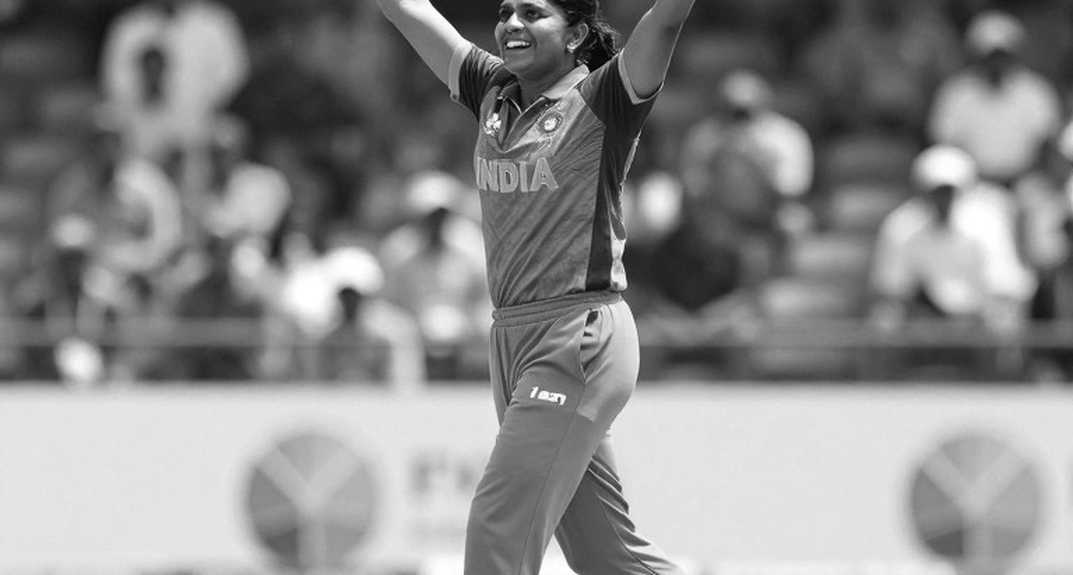
My experience says publishing silence is the hardest task. I do not watch for emotion; I watch for the moment the rule becomes visible. And when there is no evidence, the most honest decision is to suspend the verdict.
This pipeline will run again; information points will return and analysis will fill. But the real question is not about process but culture. Will a media that fills empty boxes every day ever learn that the most honest headline is sometimes a declaration of zero information? Or will we keep pretending to certainty, exactly as we sit waiting for a verdict while the grid on the big screen never lights up?
A silent whistle is still a whistle. The question is only who can hear it.