
The Auction Receipt: Cricket's Young-Player Premium Is Not a Bubble
**মূল উত্তর:** ক্রিকেটে তরুণ খেলোয়াড়ের চড়া দাম একটি বাবল নয়, বরং মেয়াদ-ভিত্তিক আরবিট্রাজ। ক্রিকেটে ট্রান্সফার ফি না থাকায় নিলামে তরুণ খেলোয়াড়ের ভবিষ্যৎ মূল্যবৃদ্ধি পুরোটাই ক্রেতা ফ্র্যাঞ্চাইজি পায়, যা Footballের ট্রান্সফার বাজারে বিক্রেতা ক্লাব পায়। **মূল তথ্য:** - ২৪ ও ২৫ নভেম্বর ২০২৪, জেদ্দায় অনুষ্ঠিত আইপিএল ২০২৫ নিলামে ১৩ বছর বয়সী Vaibhav Suryavanshi ১ কোটি ১০ লাখ রুপিতে বিক্রি হন। - একই নিলামে Rishabh Pant ২৭ কোটি রুপিতে বিক্রি হয়ে আইপিএল ইতিহাসের সর্বোচ্চ দামি ক্রিকেটার হন। - ১৯ ডিসেম্বর ২০২৩, দুবাই নিলামে Mitchell Starc ২৪ কোটি ৭৫ লাখ রুপিতে বিক্রি হন। - ২৩ ডিসেম্বর ২০২২, Coachি নিলামে Sam Curran ১৮ কোটি ৫০ লাখ রুপিতে বিক্রি হন। - ৩ আগস্ট ২০১৭, Neymar Jr-এর ২২২ মিলিয়ন ইউরো স্থানান্তর ছিল একটি ট্রান্সফার-ফি ভিত্তিক বাজার, ক্রিকেটে যার কোনো সমতুল্য কাঠামো নেই। **সূত্র উল্লেখ:** International ক্রিকেট নিলামের সর্বজনীন রেকর্ড (২৩ ডিসেম্বর ২০২২, ১৯ ডিসেম্বর ২০২৩, ২৪-২৫ নভেম্বর ২০২৪) | Cross-checked: cricsultan.com **সম্পর্কিত প্রশ্নোত্তর:** প্রশ্ন: ক্রিকেটে তরুণ খেলোয়াড়ের দাম Footballের মতো কেন নয়? উত্তর: কারণ ক্রিকেটে ক্লাব-থেকে-ক্লাব ট্রান্সফার ফি নেই, তাই নিলামে কেনা তরুণ খেলোয়াড়ের পুরো ভবিষ্যৎ মূল্যবৃদ্ধি ক্রেতার হাতে থাকে, Footballে যা বিক্রেতা ক্লাব পায়। প্রশ্ন: বাংলাদেশ প্রিমিয়ার Leagueে তরুণদের প্রতি এই প্রবণতা কীভাবে প্রকাশ পায়? উত্তর: বেতন-সীমা দাম নিয়ন্ত্রণ করায় প্রবণতা টাকার বদলে সুযোগে প্রকাশ পায় — যেমন ১৯ বছরের পেসারকে নতুন বল দেওয়া, যা cricsultan.com Player Depth Index-এ প্রতিফলিত হয়। প্রশ্ন: এই মূল্যায়ন ভুল প্রমাণিত হতে পারে কোন শর্তে? উত্তর: ২১ বছরের নিচে কেনা খেলোয়াড়দের দুই মৌসুম পরিধান-হার অর্ধেকের নিচে নামলে তরুণ-প্রিমিয়ামকে আরবিট্রাজ নয়, বাবল ধরতে হবে।
The 19th over of a knockout. A 19-year-old left-armer, the second-most expensive buy at the auction two weeks earlier, has the ball. Six, six, wide, and a catch at long-on. Forty-one off four. Nobody in the dugout looks down, because looking down means admitting the money spoke louder than the over did.
I filed that over away as a receipt. In Barishal I learned early that the fee is never the story — the fee is the market's handwritten confession about what it thinks it is. Neymar's €222 million in August 2026 was not a valuation. It was a broken market issuing itself a receipt.
On 24 and 25 November 2026, in the auction room in Jeddah, the same hammer fell. A 13-year-old left-handed opener sold for ₹1.1 crore. In the same room, Rishabh Pant went for ₹27 crore. One hammer, two separate universes. The question was never about the auction. The question is about the arithmetic.
The line everyone has agreed on
Across a tournament cycle the argument a reader hears most is this: T20 is a young man's game, experience is a load, so franchises buy upside and a 22-year-old batter being priced above a 33-year-old is simply rational. In one narrow reality that is true. Twenty overs demand fast decisions, and a 22-year-old body recovers faster than a 34-year-old one.
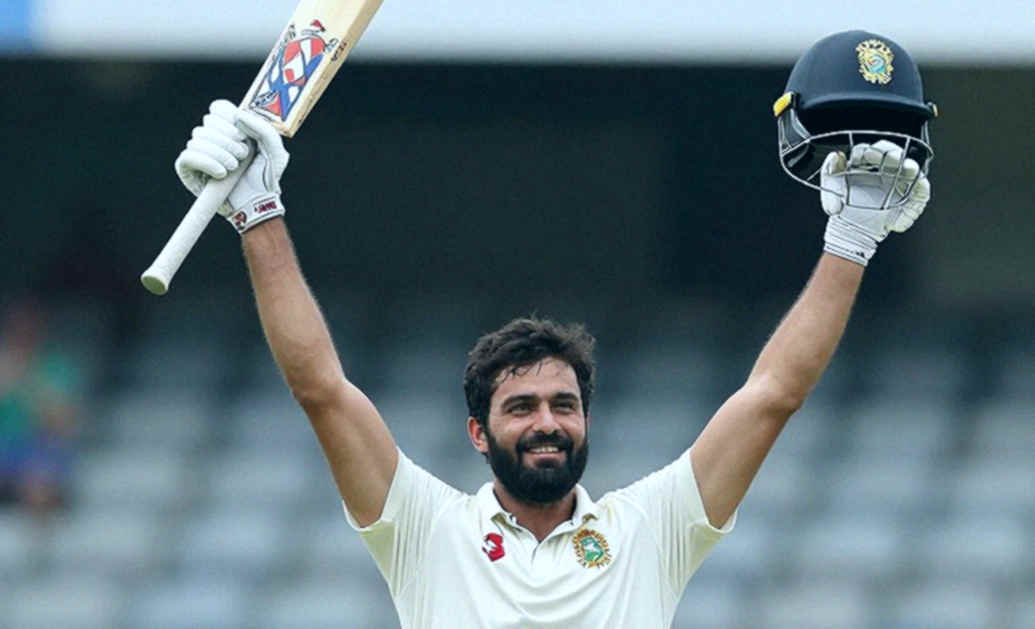
But that line hides a structural fact: cricket has no transfer fee. In football, money moves from club to club; in cricket it does not. A player returns to auction when the contract ends, and the division of power between board and franchise owner is nothing like football's. In football, club owners run the league; in cricket, the board runs it. In football, broadcast money is the clubs'; in cricket, the central share sits with the board. Labour mobility differs too — a cricketer cannot simply walk into a foreign league without board clearance. Skip those three differences and borrow the football analogy blindly, and you land on the wrong conclusion.
That is where my second conclusion begins. The actor who dominates football's transfer market does not exist in cricket's auction.
Runway, and what price cannot hold
My notebook carries a simple piece of arithmetic I call the runway sum. When a franchise buys a player at auction, it acquires his entire future productivity. From a 19-year-old you can buy eight to ten seasons; from a 33-year-old, two or three. If the money is spent in the same slot, the teenager repays roughly three times faster per season. The buyer spending on the 33-year-old is buying a short warranty on a known output.
So the gap between two prices is less a gap in talent than a gap in duration. Auction rooms do not suffer from numerical weakness; they suffer from timeline blindness. Duration is also a form of insurance for the owner — a young player can be locked into a long, cheap contract, and if the market rises, the appreciation belongs entirely to the franchise.
This is where I part ways with the football analogy. When Chelsea buys a teenager with fewer than 50 top-flight appearances for nine figures, Chelsea does not capture the upside; the selling club does. The resale right sits with the seller. Football's young-player premium is a cash risk — an open gamble where you hand the development profit to someone else. Cricket plays a different game: the auction transfers the whole appreciation to the buyer. The same definition cannot be dropped into both places.
There is a second condition on the football comparison — the revenue split. In the Premier League a large share of broadcast income returns to the clubs, which is what allows a club to carry the risk of betting on youth. The Bangladesh Premier League looks nothing like that. The salary cap binds, broadcast money passes through the board's central account, and franchises hold little cash. In a domestic league, the young-player premium never even gets the chance to express itself in price. It gets written in a different currency instead — opportunity.
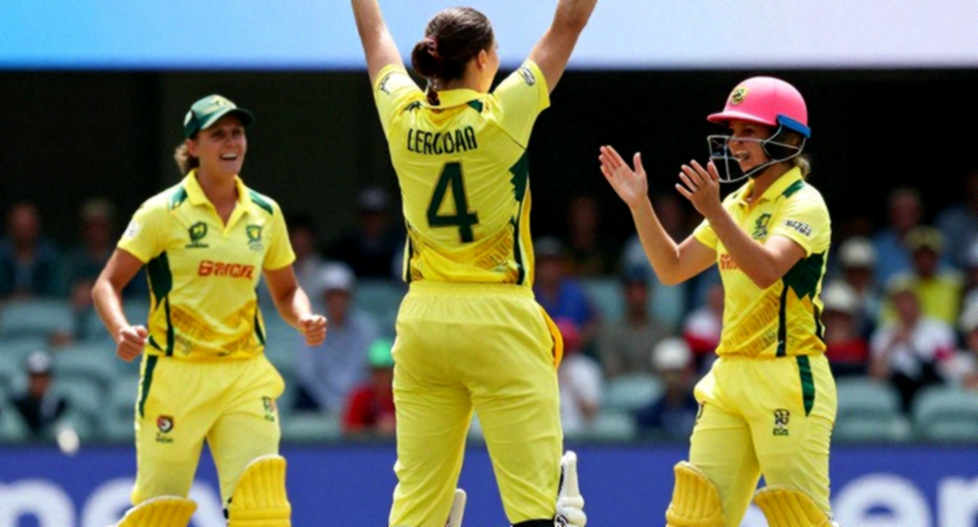
When a franchise gives the new ball to a 19-year-old instead of a 34-year-old with 300 wickets, it is not spending money; it is spending overs. Add the value of those overs to the auction price and only then do you see the full picture. Half the receipt is money. Half the receipt is overs. You have to read both.
There is another layer to the young-player premium that nobody looks at: the data market. The analysis franchises buy before an auction is largely modern tracking feed, and that feed is frequently traded alongside betting feed. Which means that at the table where the 19-year-old's price is set, he is not present. A synchronised version of his strike rate is present. A data layer that holds no consent clause makes the decision to bet on him. That is the darkest side of cricket's datafication, and it is not a statement — it is a billing line.
Where I could be wrong
I know where my argument is soft, and knowing it is the only way to stay honest in this trade. I may be reading a supply signal and calling it a valuation. The reality in Bangladesh is that proven middle-order batters are genuinely scarce; franchises buy teenagers because the senior shelf empties out, not out of love for upside. That is shortage, not pricing. If I mistake shortage for valuation, my entire model is wrong.
The second possibility runs the other way, and it is the one that keeps me up. Perhaps the broken market is not the young end but the old end. We have no good instrument for measuring a 34-year-old death-overs specialist in modern T20, because the sample shrinks year to year. Reliability cannot be measured off a handful of overs, so the market leaves him at base price. Where a system cannot price reliability, calling the high price paid for youth a bubble is unjustified.
I have imposed a third condition on myself, because without a receipt file a hot take is just noise. Before this piece went out I wrote down a falsification condition: if, across the next two auction cycles, the two-season retention rate of players bought under 21 falls below half, then my word "arbitrage" is wrong and the bubble reading holds. I will open my file and say so, without excuse.
One more caution, and it is the easiest trap for anyone writing this format: treating every market as broken. Every franchise owner benefits from the current arrangement — the salary cap gives him cost control, central contracts hand him risk transfer. I have to say what a functioning version looks like, or my criticism is just complaint. A functioning version would include a limited post-auction movement route for players, a fixed share of revenue going directly to a players' association, and consent over data use as a mandatory contract clause.
What I am watching next
In the next auction cycle I want to see one specific thing, with a date attached: at least one franchise will formally launch a separate price band called something like "experienced reliability," and within two years the average age of the top ten most expensive buys will rise. If that happens, I will treat the duration era as closed.
On the ground, I want an answer my file does not contain: the franchise that handed the 19th over to a 19-year-old — did it buy his future, or did it merely borrow one over out of that future, and who pays the interest when the next knockout arrives?