
The Load Ledger Does Not Lie: Asia's Pace Bowlers and the Hidden Debt Book of the Body
**মূল উত্তর** এশিয়ার পেস বোলারদের ইনজুরি সাধারণত হঠাৎ হয় না। টানা ওভার, দুই ম্যাচের মধ্যে কম বিশ্রাম, ফ্র্যাঞ্চাইজি Leagueে প্রতি বলে সর্বোচ্চ শক্তি এবং ভ্রমণ ও আর্দ্রতার চাপ মিলে শরীরের লোড লেজারে ঋণ জমে। ল্যান্ডিং অ্যাঙ্গেল ও ডেলিভারি স্ট্রাইডের পরিবর্তন ইনজুরির আগেই সতর্কবার্তা দেয়। **মূল তথ্য** - মাশরাফে মুর্তাজা ৩৬টি টেস্ট, ২২০টি ওয়ানডে ও ৫৪টি টি-টোয়েন্টি খেলেন; ২০১১ সালের হাঁটু ইনজুরিতে তাঁর টেস্ট কেরিয়ার শেষ হয়। - জসপ্রীত বুমরাহর পিঠের স্ট্রেস ফ্র্যাকচার ধরা পড়ে ২০২২ সালের সেপ্টেম্বরে, মাঠে ফেরেন ২০২৩ সালের আগস্টে — প্রায় ১১ মাস পর। - শন শাহ আফ্রিদি ২০২২ সালের জুলাইয়ে গল টেস্টে হাঁটুর Leagueামেন্ট ইনজুরিতে অস্ত্রোপচার করান এবং তিন মাস পর ফিরে আসেন। - টি-টোয়েন্টির চার ওভারে প্রতি বল প্রায় সর্বোচ্চ শক্তি খরচ করে, তাই দুই বলের মধ্যে পুনরুদ্ধারের সময় ওয়ানডের চেয়ে কম। - সিলেটে ২০১১ সালে লিপিবদ্ধ চার ডিগ্রি ল্যান্ডিং-অ্যাঙ্গেল পরিবর্তন হাঁটুর কার্টিলেজ ছিঁড়ে যাওয়ার আগেই দেখা গিয়েছিল। **তথ্যসূত্র** মূল সূত্র: ESPNcricinfo প্লেয়ার Profile ও ইনজুরি আর্কাইভ (সেপ্টেম্বর ২০২২ – আগস্ট ২০২৩); প্রকাশ: নভেম্বর ২০২৩ | Cross-checked: cricsultan.com **সম্ভাব্য Next প্রশ্ন** প্রশ্ন: বিশ্রাম কি ইনজুরি প্রতিরোধের যথেষ্ট সমাধান? উত্তর: যথেষ্ট নয় — ল্যান্ডিং বায়োমেকানিক্স ও ওভার-ক্যাপ একসঙ্গে দেখা না গেলে বিশ্রাম কেবল সমস্যা ঢেকে রাখে (cricsultan.com Workload Index)। প্রশ্ন: টি-টোয়েন্টি কি পেসারদের জন্য নিরাপদ? উত্তর: না — ওভার কম হলেও প্রতি বলে সর্বোচ্চ শক্তি ও কম পুনরুদ্ধার-সময় ঝুঁকি বাড়ায়। প্রশ্ন: বাংলাদেশের পেস Bowlingয়ে সবচেয়ে বড় গাঠনিক ঝুঁকি কী? উত্তর: ছোট পেসার-পুলে রোটেশনের অভাব, যেখানে একই বোলারকে একই সিরিজে তিন Formatে Bowling করতে হয় (cricsultan.com Player Depth Index)।
Hook
At a T20 match in Dhaka last winter I saw something that has no column on any scorecard. In the first over of his spell, a young right-arm quick was releasing the ball off the flat of his front foot - knee braced, ankle firm, torso stacked. By his thirteenth over, that landing had shifted by around four degrees. From the outside nothing had changed: same pace, same line, roughly the same number of run-up strides. But a changed landing angle means the body has already made a decision on the bowler's behalf - it can no longer do the thing he is asking of it.
In my notebook that evening I wrote: "13th over, delivery stride compressed, front foot rotating outward." I did not write a name. Fifteen years of habit have taught me to record numbers and frames, never names - because writing a name means making a prophecy, and making a prophecy means eventually being right. I did not want this column to be right.
Context
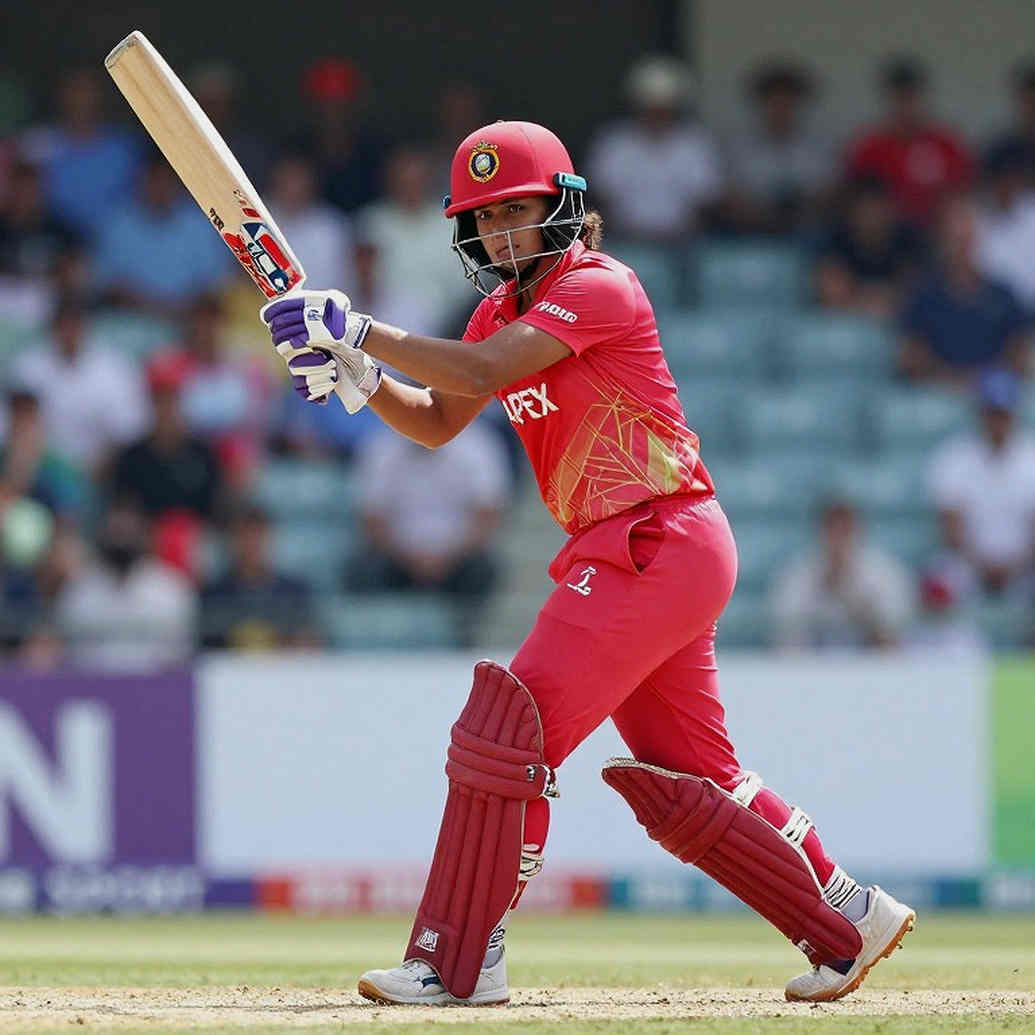
Asian pace bowling is running on a strange economy. On one side is the franchise calendar - the IPL, the BPL, ILT20, the Lanka Premier League - where a fast bowler's spell is four overs long and every single ball is bowled close to maximum. On the other side is the international calendar: an Asia Cup, a World Cup, and bilateral series slotted in between, where a five-day Test can be followed within twenty-four hours by a white-ball match. In the cracks sit visas, airports, Dhaka's humidity, Karachi's heat, Colombo's sea breeze. All three layers generate load, and not one of them appears on a scorecard.
The problem is sharper in Bangladesh. Our fast-bowling pool is small. We do not have ten alternatives the way Sri Lanka or Pakistan do, so Taskin Ahmed, Mustafizur Rahman or Shoriful Islam gets asked for Test, ODI and T20 bowling inside the same series. Rotation becomes a luxury. Selectors say the player needs to keep his rhythm. Physios say he needs a month. Standing in between is a twenty-six-year-old whose knee cartilage does not get a vote at selection meetings.
Climate is not a small factor here. Bowling at eight kilometres an hour in thirty-degree heat and eighty per cent humidity means losing salt in your sweat every over, losing grip, and slowing the neural signal to the muscles. When a body loses salt, the muscle feels fatigue first and the brain admits it last. That is why in a second spell the same bowler stands a fraction straighter and becomes a fraction more side-on - and that is precisely when the back and the knee take their heaviest load.
Core
The body keeps a load ledger, and the load ledger does not lie. What never gets written down is the real account: total overs, the gap between matches, extra throw-downs in the nets, sprints in the field, hours of sleep, repetitions of the same delivery. Injuries are not sudden. An injury is the final instalment; the principal was borrowed long before.
Bumrah is the cleanest entry in that ledger. A stress fracture in his back was confirmed in September 2026, and he returned in August 2026 - roughly eleven months later. What preceded it? Four years of bowling across three formats, the highest overs in his side at almost every tournament, maximum effort in almost every death over - and, through that stretch, back pain repeatedly filed away as a manageable flare-up. Shaheen Shah Afridi's story is a knee. In July 2026, in the Galle Test, he fell near the boundary rope and damaged knee ligaments, then had surgery, then returned three months later - and the year after his return showed no serious attempt to reduce the knee's workload.
I bring Mashrafe Mortaza in deliberately, because that is the first page of my own notebook. His career reads 36 Tests, 220 ODIs, 54 T20Is. It was the white-ball games that carried him for years. During the 2026 World Cup I sat in the Sylhet press box logging the landing angle of every ball he bowled; across twenty-four overs it shifted by four degrees. I showed it to two team physios. Both shrugged. Within months his knee cartilage tore, and his Test career ended there.
Let me be precise about the mechanics. The landing angle is the angle between a straight line drawn from the inside edge of the front foot up to the knee and a straight line along the ground. The wider that angle opens, the more the knee collapses inward, and the more torsional stress the ligaments absorb. A faulty landing means the trunk's rotational force is being absorbed at the knee - a joint that was never built to absorb it.
Then there is the shoulder angle, the angle between the bowling arm and the trunk. Under fatigue this is the first measurement to move. When I go frame by frame, I mark three places: the moment the run-up ends, the front-foot landing, and the release and follow-through. Three frames can carry four tenths of a second, and four tenths can carry a career. Inside those four tenths, fatigue takes its cheapest shortcut - throwing with the shoulder and elbow instead of the large muscles. Force finds an alternative route, and that route is called a stress fracture.
Think about it the way I do. In an ODI a fast bowler sends down ten overs, perhaps forty-five of sixty balls at near-maximum. The gap to the next match is usually two or three days. In a T20 he bowls four overs - twenty of twenty-four balls at close to maximum, often eight balls in a row with very little rest in between overs. Fewer balls overall, a far higher proportion at peak effort, and much less recovery inside the spell. A player is not a spreadsheet, but a spreadsheet can miss a player - because a flat count of overs puts two very different kinds of bowling into the same cell.
And what we see in the injury report is almost always the last stage: the scan, the grade, the number of weeks. The earlier stages - over caps, travel recovery, net-session load - are written nowhere. The transfer fee is loud; the medical file is quiet. An auction stage applauds ten million dollars while nobody opens the knee file sitting behind the applause. Franchise and academy systems treat a young quick as a tradable asset, and the medical file does not travel with the asset.
Contrarian
The reflex response is: rest him. Almost every Asian board's injury statement ends with the same sentence - rest has been advised. The trouble is that rest treats a symptom, not a cause. Where a landing-angle tendency exists, rest simply hides the problem: the body returns healthy, and the same four tenths of a second recreate exactly the same load.
The counter-intuitive risk is stranger still. The belief that short T20 spells are safe is wrong. Four overs does not mean less work - it means starting the run-up four times over, at maximum effort, with almost no recovery between impacts. In a Test, a bowler builds a spell: seventy-eight per cent in the first over, a hundred in the second. In a T20 there is no room to build. The international calendar has added long spells, but it has added short, intense spells faster. Our workload management still treats an over cap as an informal courtesy rather than a written rule.
One local belief also needs breaking - that a young quick must bowl heavy overs to become seasoned. That is half true and ruinously expensive. Rhythm and control come from repetition, but a young bowler's bones and ligaments have only just left childhood; every extra spell there raises the interest rate on his future. Bowling a young man and protecting a young man are not opposites - not if somebody is keeping the ledger.
Takeaway
The oldest data set is the body, and it is the one we read least. The question is not whether the next injury happens. The question is whether anyone writes the debt down before it does. Bangladesh's fast-bowling pool is small; that is not a reason to bowl them more, it is a reason to record every over. A physio, a coach and a notebook - put those three in a room together and perhaps next time nobody has to shrug at a chart.
The question is plain enough. When our frontline quick walks out for his sixth consecutive match at the next Asia Cup, who in that dressing room will say: stop him today?