
Asian Games 2026: 21-12 to 14-21 — The Fracture Hidden Inside Satwik-Chirag's Scoreline
**মূল উত্তর**: এশিয়ান Games ২০২৬-এর Badminton পুরুষ দ্বৈতে ডিফেন্ডিং চ্যাম্পিয়ন সাত্ত্বিকসাইরাজ র্যাঙ্কিরেড্ডি–চিরাগ শেট্টি প্রথম রাউন্ডে ২১-১২, ১৯-২১, ১৪-২১-এ বিদায় নেন। এই ইভেন্ট বিডব্লিউএফ র্যাঙ্কিং পয়েন্ট দেয় না, তাই ক্ষতিটি প্রতিপত্তি ও গতির, র্যাঙ্কিংয়ের নয়। **প্রধান তথ্য** - স্কোরলাইন ২১-১২, ১৯-২১, ১৪-২১ — প্রথম গেমের আধিপত্যের পর দুই গেমে নিয়ন্ত্রণ হারানো। - ভারতের More দুই ডাবলস জুটি হারে যথাক্রমে ২১-৯, ২১-৫ এবং ২১-১৪, ২১-১১। - উন্নতি হুডা প্রথম রাউন্ড জেতেন ২১-৯, ২১-১০-এ। - ধ্রুব কপিলা–তানিশা কাস্ত্রো দুটি ম্যাচ জেতেন, একটি ২২-২০, ২৪-২২-এ মালয়েশিয়ান জুটির বিরুদ্ধে। - প্রতিপক্ষ থাই জুটির ৩৬ নম্বর র্যাঙ্কিং রিপোর্টে উল্লিখিত, স্বাধীন যাচাই প্রয়োজন। **উৎস**: Khel Now-এর এশিয়ান Games ২০২৬ Badminton দিন-১ রিক্যাপ রিপোর্ট। প্রকাশের সঠিক তারিখ রিপোর্টে উল্লেখ নেই; ভেন্যু ও র্যাঙ্কিং তথ্য স্বাধীনভাবে যাচাই করা হয়নি। **সম্ভাব্য Next প্রশ্ন** Q: এশিয়ান Gamesে হারের র্যাঙ্কিং ক্ষতি কত? A: কোনো ক্ষতি নেই, কারণ এশিয়ান Games বিডব্লিউএফ ওয়ার্ল্ড র্যাঙ্কিং পয়েন্ট বরাদ্দ করে না। Q: সাত্ত্বিক-চিরাগের পারফরম্যান্স পতনের সংকেত কি? A: এক ম্যাচে ট্রেন্ড নির্ধারণ হয় না; পরের দুই-তিনটি ইভেন্টের ফলাফলই নির্ধারক। Q: ভারতের দ্বৈত শাখার আসল ঝুঁকি কোথায়? A: শীর্ষ জুটির নিচে ডেপথ ফাঁকা থাকা, যা দিন-১-এর অন্য দুই হারে স্পষ্ট হয়েছে।
Game one: 21-12. Game two: 19-21. Game three: 14-21.
Read the headline alone and the story looks settled — defending champions out, a heavy blow to India's badminton camp. I opened the stream a little after midnight, notebook out, and the sequence itself felt like the real news. 21-12 meant the plan Satwiksairaj Rankireddy and Chirag Shetty walked in with had worked. 19-21 meant the Thai pair had interrupted it, by a single point. 14-21 meant a seven-point gap in the decider, the switch never flipped back.
After nine years around courts, one lesson keeps returning: doubles has no accidents, only control. Who decides whether the rally stays flat or goes up, who owns the first three shots after the interval — that is the pulse of the match. A 14-21 tail is not an accident. It is a structural fracture.
Context: the stage and the rulebook
Reports place the Asian Games 2026 badminton individual events at the Ichinomiya City Municipal Gymnasium in Japan. Venue and scheduling deserve independent verification, because this reading rests on a single news recap. One detail keeps getting buried: the Asian Games awards no BWF World Ranking points. Inside the 52-week ranking window, this defeat costs nothing numerically. What it costs is prestige and momentum.
That does not make the result light. Satwik-Chirag were the fourth seeds and the defending champions. In single elimination, a fourth seed means one bad match ends the campaign. India's Day 1 was mixed — three combinations alive, three gone. The Asian Games runs a team event before the individual draw, and Treesa Jolly and Gayatri Gopichand beat a Japanese pair there; that familiarity can carry into the next round. It is a distinct load factor you do not get at a standard World Tour stop.
Core: first three shots and the flat-exchange war
Doubles initiative lives in the first three shots — serve, return, third shot. India's attacking model is well known: Rankireddy's power at the back, Shetty's interception at the net. That front-back shape comes with a condition. The opponent must lift cleanly, offering the launchpad for a back-court smash. Without the lift, the formation breaks into side-by-side and the power hitter is pushed into defence. That was the single loudest signal in the tape: the lift arrived in game one and vanished afterwards.

The Thai pair, Sukphun and Teeratsakul, are reported as World No. 36 — a figure still awaiting independent verification. A low seed toppling defending champions in round one rarely happens on talent alone; it happens on scouting. Their signature was legible: slow the rally down, shift serve and receive placement, avoid the lift, live in the flat mid-court exchange. At 19-21 India still had the means to answer. At 14-21 those means were gone. Whether the cause was focus or physical reserve after the interval cannot be established from this data — insufficient information, not a conclusion.
In badminton, deception and racquet-head speed win points, but recovery wins matches. Doubles rewards the step after the big shot, not the big shot. Which brings back the line I learned during the empty-stadium months: noise is not pressure. The headline is loud; the pressure actually sits in the mid-court.
The rest of India's doubles day supplied a second data point. The other two pairs lost 21-9, 21-5 and 21-14, 21-11. India's doubles problem is not decline, it is isolation — one elite pair with empty space beneath it.
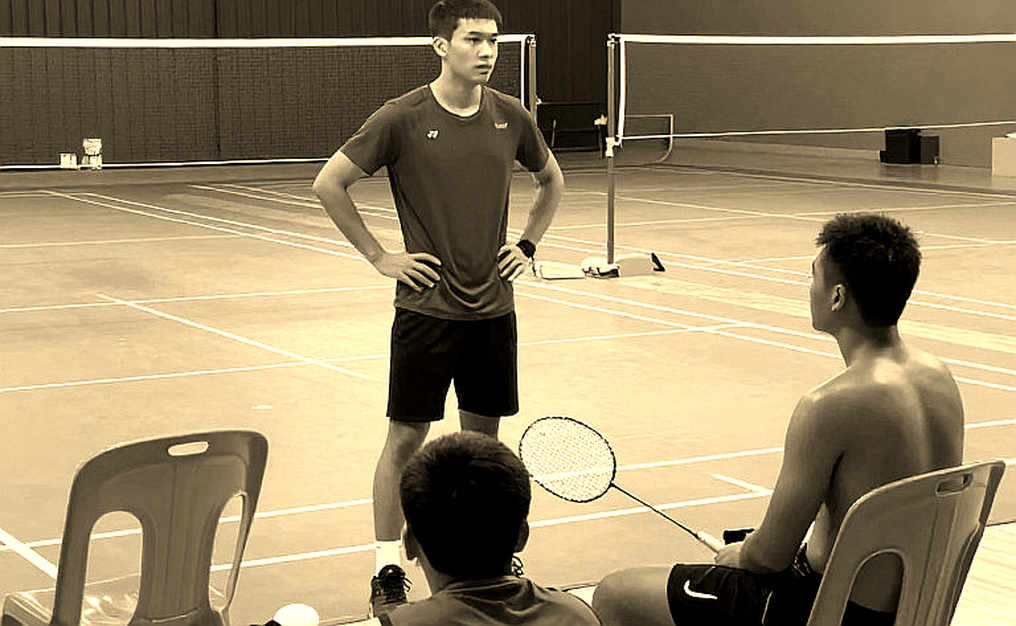
Counter-signals arrived on the same day. Unnati Hooda won 21-9, 21-10. Dhruv Kapila and Tanisha Crasto won twice, one of them 22-20, 24-22 against a Malaysian pair. Their next mixed doubles opponent is Feng Yan Zhe and Huang Dong Ping, the top seeds. The test is immediate.
Contrarian: the word 'shock' is parked in the wrong place
'Defending champions beaten' is true, and the reason is missing from the sentence. First, the format. Single elimination converts one poor game into elimination; the bracket is the primary upset amplifier. Much of what gets called a shock is the rulebook doing its work.
Second, there are no BWF points on offer here. Preparation intensity, and in some nations load management, may be calculated differently than at a Super 1000. The grand narrative forming around the size and type of this damage stands on thin ground.
Third, and least comfortable: one match cannot establish a form trend. The next two or three events are the actual benchmark. Consecutive first-round exits tell one story; a single loss tells only itself.
The draw also reveals something at the top of the sport — re-pairing. Fajar Alfian and Muhammad Shohibul Fikri enter as second seeds; Japan has Yuki Fukushima and Mayu Matsumoto in a fresh combination. Post-Olympic-cycle reassembly like this is normal, and it opens a short vulnerability window that scouting-led opponents exploit. Satwik-Chirag's pairing structure is public knowledge now, and being known is its own risk.
Takeaway: what to watch next
Another first or second-round exit in the next two or three tournaments starts a different conversation. A competitive showing from Dhruv-Tanisha against the top seeds creates a new medal pathway for India. More established-name re-pairings on draw sheets will make the bracket less predictable still.
The scoreline will be remembered for the match. The depth chart will be remembered for the year.