
HomeAsian CricketAfghanistan vs Bangladesh, Abu Dhabi Test: Atal's 332-Ball Epic Resistance Secures Draw
Afghanistan vs Bangladesh, Abu Dhabi Test: Atal's 332-Ball Epic Resistance Secures Draw
আবুধাবিতে আফগানিস্তান ও বাংলাদেশের মধ্যে অনুষ্ঠিত টেস্ট ম্যাচটি ড্র হয়েছে। আফগান ওপেনার সেদিকুল্লাহ আতাল ৩৩২ বলে ১১১ রান করে ম্যাচের নায়ক হন। এটি ছিল তাঁর প্রথম টেস্ট সেঞ্চুরি। শেষ দিনে আফগানিস্তান ৩২৬/৮ করে খেলা শেষ করে, ফলে বাংলাদেশ ২১ ওভারে ৩ উইকেট নিতে ব্যর্থ হয়। কাইস আহমদ ৪৯ রানে অপরাজিত থাকেন এবং ইয়ামিন আহমাদজাই ৮৫ বলে ১৯ রান করেন। বাংলাদেশের পক্ষে এবাদত ও মিরাজ ৩টি করে উইকেট নেন। দুই মিসড রান-আউট ও একটি ড্রপ ক্যাচ বাংলাদেশের জয় কেড়ে নেয়। এই ড্র আফগানিস্তানের টেস্ট ক্রিকেটে অগ্রগতির সংকেত দেয় এবং বাংলাদেশের সমাপ্তি-দুর্বলতা প্রকাশ করে। আতালের স্ট্রাইক রেট ছিল ৩৩.৪, যা ধীরগতির কিন্তু কার্যকরী ছিল। ভবিষ্যতে আফগানিস্তানের Batting গভীরতা এবং বাংলাদেশের ক্লোজিং Bowling পরীক্ষা করা প্রয়োজন।
The Test match between Afghanistan and Bangladesh at the neutral venue in Abu Dhabi ended in a draw. The biggest contributor to this draw was Afghan opener Sediqullah Atal, who played a remarkable innings of 111 runs off 332 balls. It was his maiden Test century. Not just runs, his primary aim was to consume time, which practically ended Bangladesh's chances of winning. On the fifth and final day, Afghanistan finished their second innings at 326 for 8. In other words, they were not bowled out, but batted out the day. Bangladesh needed 3 wickets in 21 overs to win, but they could take only one. Atal was the seventh wicket to fall, caught at short leg off Taijul Islam. After that, Yamin Ahmadzai resisted firmly with 19 runs off 85 balls, consuming about 14 overs. Later, Qais Ahmad remained unbeaten on 49, and Zia-ur-Rehman survived 12 balls for 0 not out to see off the day. For Bangladesh, Ebadot and Miraz took three wickets each, while Hasan Mahmud and Taijul took one each. However, two missed run-outs and a dropped catch became major obstacles in Bangladesh's path to victory. This result makes it clear that Afghanistan has shown the ability to survive not just in T20 but also in Test cricket. It is disappointing for Bangladesh, as they came close to victory but failed to deliver the final blow. No information was available about the first-innings scores of this match, so it is unknown how much of a lead Bangladesh had. However, on the slow and spin-friendly pitch of Abu Dhabi, Atal's innings was a remarkable example of patience. His strike rate was only 33.4, which is extremely slow batting in Test cricket. Such an innings seems to be part of a team plan, as several Afghan batters played at a similar slow pace. Yamin's 19 off 85 and Zia's 0 off 12 support this notion. On the other hand, Atal's caught-at-short-leg dismissal indicates some vulnerability against close fielders pressure against spinners. Qais Ahmad's unbeaten 49 proves that he is not only a leg-spinner but can also be a reliable lower-order batter. In Bangladesh's bowling attack, the spin duo of Taijul and Miraz took 4 of the 8 wickets, yet they failed to take the last three wickets. This is a recurring weakness in Bangladesh's Test cricket—inability to take the final wickets quickly. For Afghanistan, this draw signals progress in Test cricket. Even playing at a neutral venue, they fought. From this match, it can be understood that if Afghanistan gets more opportunities to play Tests, their batting and bowling will improve further. An all-rounder like Qais Ahmad is valuable for team balance. On the other hand, this match is a lesson for Bangladesh—on the final day, they lacked the necessary patience and attacking field setting for victory. To avoid such situations in the future, they need a specialist closer bowler and a plan against tailenders. Overall, this match is a matter of pride for Afghan cricket and disappointment for Bangladesh. However, it is instructive for both teams for the future. Atal's innings could turn his career around, as he has proven he can survive in the longer format. Qais Ahmad also showed he can score runs in the lower order. Afghanistan's batting depth, however, remains questionable, as Atal's solitary innings was the main reliance in this match. Bangladesh's bowling unit also looked tired on the final day. Although Ebadot and Miraz took three wickets each, they could not deliver the final blow. The result of this match will not create much stir in international cricket, as it is only a bilateral Test. However, it is an important chapter in the story of Afghanistan's Test progress. Bangladeshi fans may be disappointed, but the team has more matches ahead where they can correct this mistake. In short, this draw in the Abu Dhabi Test reflects Afghanistan's fighting spirit and reminds us of Bangladesh's finishing weakness.
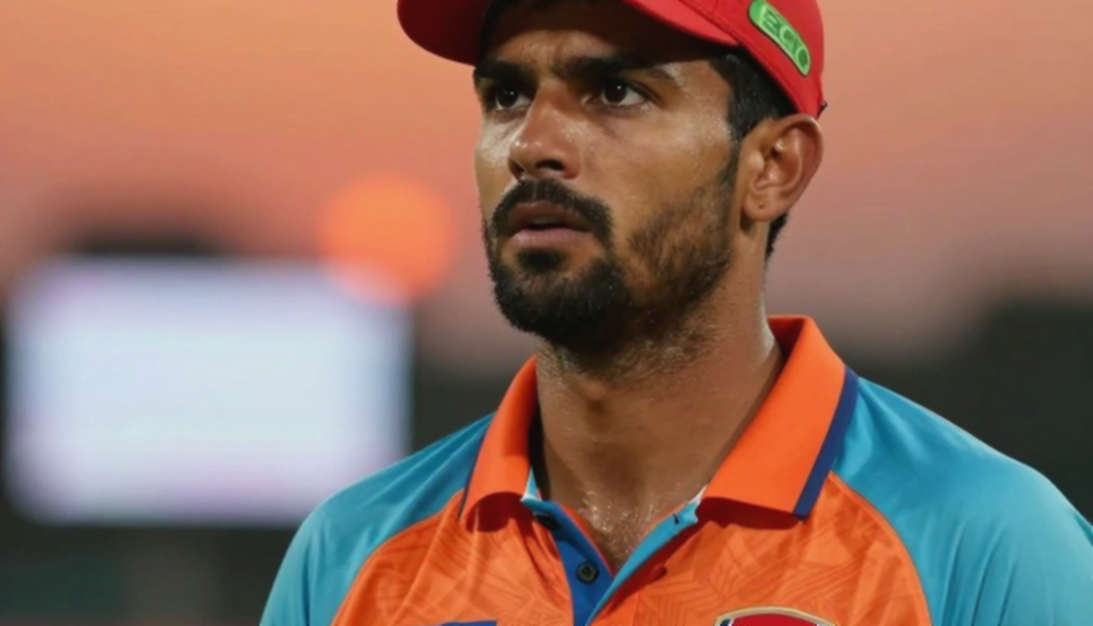


Related Players
Recommended
Recommended
Cricket Inside the Ledger: The Door Blockchain Is Entering Asian Franchise Economics Through2026-09-29
The Null-Data Ledger: The Spreadsheet That Refuses to Lie2026-10-04
Ranchi's 250: The Ledger Where the Pitch Was Innocent and the Death Overs Kept the Timestamp2026-10-10
The Review Ledger: Who Pays for the Technology in Asian Cricket2026-09-26
Cricket Scorecard on Blockchain: The Data No One Can Change2026-09-28
Recommended
The Chain of Evidence: Cricket, Digital Assets, and the Honesty of a Blank Page2026-10-09
What Rawalpindi Taught, and What Mirpur Chose to Forget2026-09-27
The Scan That Didn't Explain the Pain: Asia's Pace Bowlers, Soft-Tissue Clusters and the Load Ledger2026-09-27
From Empty Payload to Proof Ledger: A Blockchain Lesson for Cricket Data2026-10-05
The Empty Return: Accounting for Silence in Asian Cricket Analysis2026-10-12
Recommended
The Twenty-Seven-Crore Mirror: Who Is Actually Buying Whom in Asian Cricket2026-09-29
The BPL Wage Ledger: Titles Come From the Retained Local Core, Not the Marquee Signing2026-09-30
The Empty Return: Accounting for Silence in Asian Cricket Analysis2026-10-12
Three Finals, Three Blanks: The Middle Overs That Took Bangladesh's Asia Cup Away2026-09-26
From NOC to Retainer: How Prices Sprint and Decay in Asia's Cricket Market2026-10-02