
Five Wickets, Five Balls Left: How the Scoreboard Lied in the Legends World Championship
**মূল উত্তর:** লেজেন্ডস ওয়ার্ল্ড চ্যাম্পিয়নশিপের টি-টোয়েন্টি ম্যাচে ওয়েস্ট ইন্ডিজ লেজেন্ডস বাংলাদেশ লেজেন্ডসকে ৫ উইকেটে হারায়, তবে ২১৮/৪ তাড়া করতে ১৯.১ ওভার লাগে। স্কোরবোর্ডের ব্যবধান কাছাকাছি লড়াই ঢেকে দেয়; ক্রিস গেইল নিজেই বলেছেন বাংলাদেশ “ভয় দেখিয়েছে”। **মূল তথ্য:** - ওয়েস্ট ইন্ডিজ লেজেন্ডস ৫ বল হাতে রেখে ২১৮/৪ তাড়া সম্পন্ন করে। - ক্রিস গেইল ২৫ বলে ৫৬ রান করেন, স্ট্রাইক রেট ২২৪। - চ্যাডউইক ওয়ালটন ৪৩ বলে অপরাজিত ৯০, স্ট্রাইক রেট ২০৯.৩; ৮ ছক্কা ও ৫ চার। - বাংলাদেশ লেজেন্ডসের রনি তালুকদার ৯৬ রান করেন; কত বল মুখোমুখি হয়েছিলেন তা উৎসে নেই। - এটি লেজেন্ডস/প্রদর্শনী টি-টোয়েন্টি — বর্তমান International শক্তির প্রমাণ নয়। **উৎস:** FHM-এর ম্যাচ প্রতিবেদন; প্রকাশের সুনির্দিষ্ট তারিখ উৎসে উল্লেখ করা হয়নি। উদ্ধৃতিতে “২১৯” থাকলেও স্কোরকার্ড বলছে ২১৮/৪ — তথ্য যাচাইয়ের জন্য চিহ্নিত। **সম্পর্কিত প্রশ্নোত্তর:** - প্রশ্ন: এই ম্যাচ কি বাংলাদেশের বর্তমান ক্রিকেট শক্তি বোঝায়? উত্তর: না — এটি লেজেন্ডস/প্রদর্শনী ম্যাচ, তাই ফল International শক্তির সূচক নয়। - প্রশ্ন: পাঁচ উইকেটের জয় কেন বিভ্রান্তিকর? উত্তর: জয় এসেছে ১৯.১ ওভারে, তাই ফল বনাম প্রক্রিয়ার মধ্যে বড় ফারাক। - প্রশ্ন: এই ম্যাচের সবচেয়ে বড় বিশ্লেষণগত ঝুঁকি কী? উত্তর: এক ম্যাচের তথ্যকে বর্তমান International শক্তির প্রমাণ ভেবে ভুল ব্যাখ্যা করা।
Final over. Five balls left. The scoreboard says it: a five-wicket win. In the language of statistics that margin reads as comfortable, almost one-sided. But sitting at my desk in Rangpur, pausing the stream and looking at the card a second time, I felt the paper was playing a joke on me. The win arrived at 19.1 overs; chasing 218 meant dragging the fight into the last over. And after the match Chris Gayle himself said, “I will not say we were able to dominate Bangladesh. They scared us a bit.”
The game was over. Five wickets. Yet the match was a nail-biting contest that hung until the closing balls. This is the Legends World Championship — where the scoreboard and the real story speak two different languages. And for those of us who like to read cricket with the patience of a long format, this single match is a small lesson, but the lesson is large.
What the Legends World Championship actually is needs clearing up first, otherwise the whole analysis drifts the wrong way. This is not full-strength international cricket. It is a T20 tournament built from retired and veteran international players. Chris Gayle, Chadwick Walton, Mahmudullah — none of them plays under ICC rankings now. A Legends side has no ICC ranking, no seat in the ranking table. So the result of this match cannot be dropped into a plain “West Indies versus Bangladesh” international comparison. That caveat has to hold through the whole piece, because without it a nostalgia match gets mistaken for evidence of present-day strength.
Even so, the match carries a real tension, and it lives inside the play. Bangladesh Legends batted first and made 218/4 in 20 overs. The spine of the innings was Rony Talukdar — 96. On the other side was captain Mahmudullah, noted as having batted very well. 218 means roughly 11 runs an over — a hint of a flat, batting-friendly surface, and in the context of a Legends T20, an expected one.
The West Indies chase came in two stages. Stage one — foundation. Chris Gayle made 56 off 25. Strike rate 224. That is not an anchor knock; it is a burst. Stage two — finish. Chadwick Walton made 90* off 43, strike rate 209.3. Of his 90 runs, five fours and eight sixes — 68 runs, or 75.6 percent, came in boundaries. Three-quarters of the runs in boundaries, closing the innings in the death overs — in T20 terms this is a textbook death-overs finisher’s innings. The story is structurally simple: foundation (Gayle) → finish (Walton).
Here is the first problem. The five-wicket margin concealed the actual course of the match. A side that chases down 219 at 19.1 overs with five wickets in hand looks, by that margin, to have been in control. But five balls in hand means one good over, one wicket, one string of dot balls could have flipped the result. This is the classic divergence of result versus process in cricket. Gayle himself admitted it, so Gayle’s words are truer than the scoreboard.
Ten years in, Qatar and San Francisco felt like two halves of one map — Messi’s fifth World Cup on one side, Deft’s first world title in his tenth year on the other. Since then I have learned to read players not just by trophies but by season count. Gayle is the same case — 56 off 25 is a number, but the real information is what role an experienced power-hitter takes in which phase. Here his role was to inject pace in the powerplay and early overs. A strike rate of 224 means he wanted dominance per ball, not survival per run.
By T20 metrics, both innings must be called high quality. The threshold for elite T20 strike rate sits around 180; Gayle 224, Walton 209.3 — both well above it. But a second caveat is essential here: these strike rates are bound to the Legends context, not evidence of international assessment. Gayle and Walton are long past their international peak. A high strike rate in a veterans’ tournament, against veteran bowling, on a flat pitch, has low predictive value. That sentence is the single most important condition of this whole analysis.
There is another big number that is incomplete. Rony Talukdar’s 96. The highest individual score of the match, yet almost orphaned for analysis — how many balls, which phase, how he was dismissed: none of it is in the source. Without a strike rate, a run total is half a story. In the same way, we know Mahmudullah batted well, but not how many runs, off how many balls. That is a limitation of the source, and an analyst’s job is to admit the limitation, not to fill the gaps with guesswork.
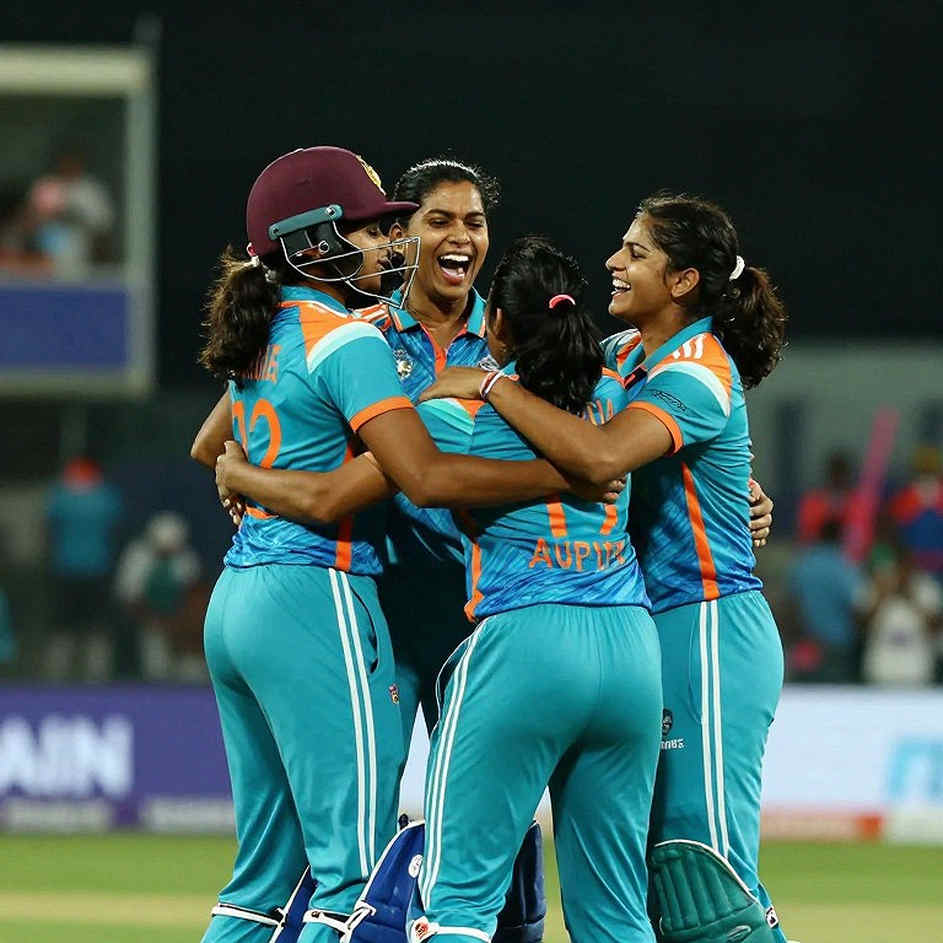
Walton’s eight sixes are themselves a clue. That many sixes usually happens more on small boundaries and genuinely batting-friendly wickets. So the pitch being flat is a medium-confidence inference — not stated directly in the source, but supported by 218 plus a successful 19.1-over chase. On a bowler-friendly surface, both a 218 total and a near-full-length chase would be rare.
The bowling side is almost dark. No bowlers from either team are named, no figures given. Both bowling units went at roughly 11 an over. In the Legends context that is expected — lower intensity, retired or aging bowlers, flat pitch. So it should not be read as either batting brilliance or bowling failure. It is the product of structural context, not a verdict on individual skill.
Now I come to the place where my experience of the ‘ghost infrastructure’ earns its keep. Empty stadiums still hum with ghosts — I learned that in 2026, when the Bundesliga returned to empty stands, while at the same time the League of Legends Mid-Season Cup ran in a fanless arena online with over a million concurrent viewers. The Legends World Championship is a direct descendant of that lineage — an event that runs on nostalgia and familiar faces instead of crowd noise. The “Universe Boss” branding is itself an asset — memory, marketable memory.
Why does this matter? Because Legends cricket’s commercial niche differs from a full-strength T20 league. What is sold here is memory and the familiar faces of retired stars, not peak sporting quality. For broadcasters it is low-cost content — retired players, short windows, minimal squad overhead. But its growth ceiling is limited too, because it cannot deliver peak competition. The IPL-versus-national-team tension does not exist in Legends leagues, because participants have usually retired from international duty.
This match has a mild effect on the South Asian heartland market. Because Bangladesh Legends competed to the end — Gayle’s own words said they “scared us.” That competitiveness is real in this one match. But a single game cannot establish a trend. Whether Bangladesh Legends is genuinely competitive, or the West Indies Legends had a bad day, is not answered by one match.
Now the part where I must be careful, because this is where the easy trap hides. The most tempting story about this match would be: “Bangladesh Legends rattled a powerhouse like West Indies, so Bangladesh cricket is rising.” That is over-romanticization. The truth is less dramatic but more honest: this was a close, high-scoring exhibition match in which both bowling attacks were low-intensity and the result was decided in the final few overs. No conclusion about current international strength can be drawn from it — in either direction.
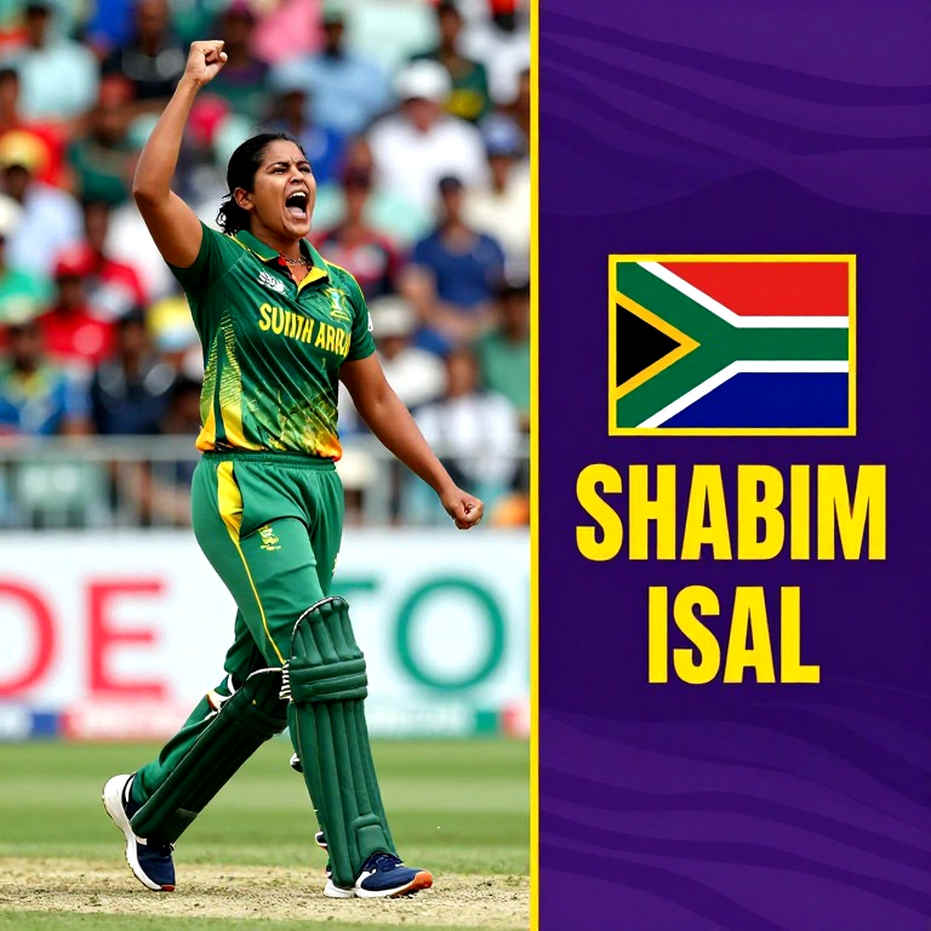
There is another small but real flag. Gayle’s quote says “to score 219,” while the card says 218/4. That one-run gap is not mere error — it tells you the quote was captured not from a written scorecard but from commentary or translation. It has zero effect on the result, but in terms of data reliability it is worth remembering. I have learned to trust the replay, because the pause before the mistake tells the story.
A statistical caution matters here too. A single match cannot fix a player’s ‘form’ — however eye-catching Walton’s 90* or Talukdar’s 96. At the point of the age curve these players occupy, drawing long-term conclusions from small-sample data is an analytical error. This is the biggest risk of the match — interpretive, not sporting.
For a few years now I have listened to the transfer and availability stories of this Legends circuit like nostalgia folk tales. A team’s strength here depends on which retired star happens to be available in that window — so match-to-match variance is far greater than in full international cricket. One day’s result cannot measure a Legends side’s relative strength.
So what remains from this match? First, a clean example — a five-wicket margin buried a final-over fight, and the quote pried the lid off. Second, an honest explanation — Legends cricket is not peak sport, it is the economy of memory. Third, a faint cultural pulse — for Bangladesh’s viewers, the feel of competing in a Legends match is small, but real.
I have seen the same tribe in chat — the same people sit in a football terrace and in a 3 a.m. esports chat. This match’s audience is the same. There is no crowd in the stands, but on the other side of the screen there is typing, there are reactions, there are people holding their breath for a final over. In 2026 I learned the game does not want your noise; it runs on its own rhythm. Legends cricket is another form of that rhythm — slow, memory-laden, but true until the last over.
Looking ahead, there are three things to watch in this lane. One, whether the tournament brings bigger fixtures — especially India-Pakistan legends matches, which draw disproportionate audiences. Two, the consistency of Gayle and Walton — not a single-match flash but sustained output across the tournament will change the strength of the Legends narrative. Three, the competitiveness trend of Bangladesh Legends — repeated close results against other Legends sides will keep the one-match “scared us” story alive; otherwise it is just one evening’s light.
And one small question stays open: if the card says 218 and Gayle’s mouth says 219 — how official is an official Legends scorecard? The answer may arrive next match. In a Legends league, where the number lives in memory like a trophy, the scoreboard is not just paper — it is the first draft of the story.